

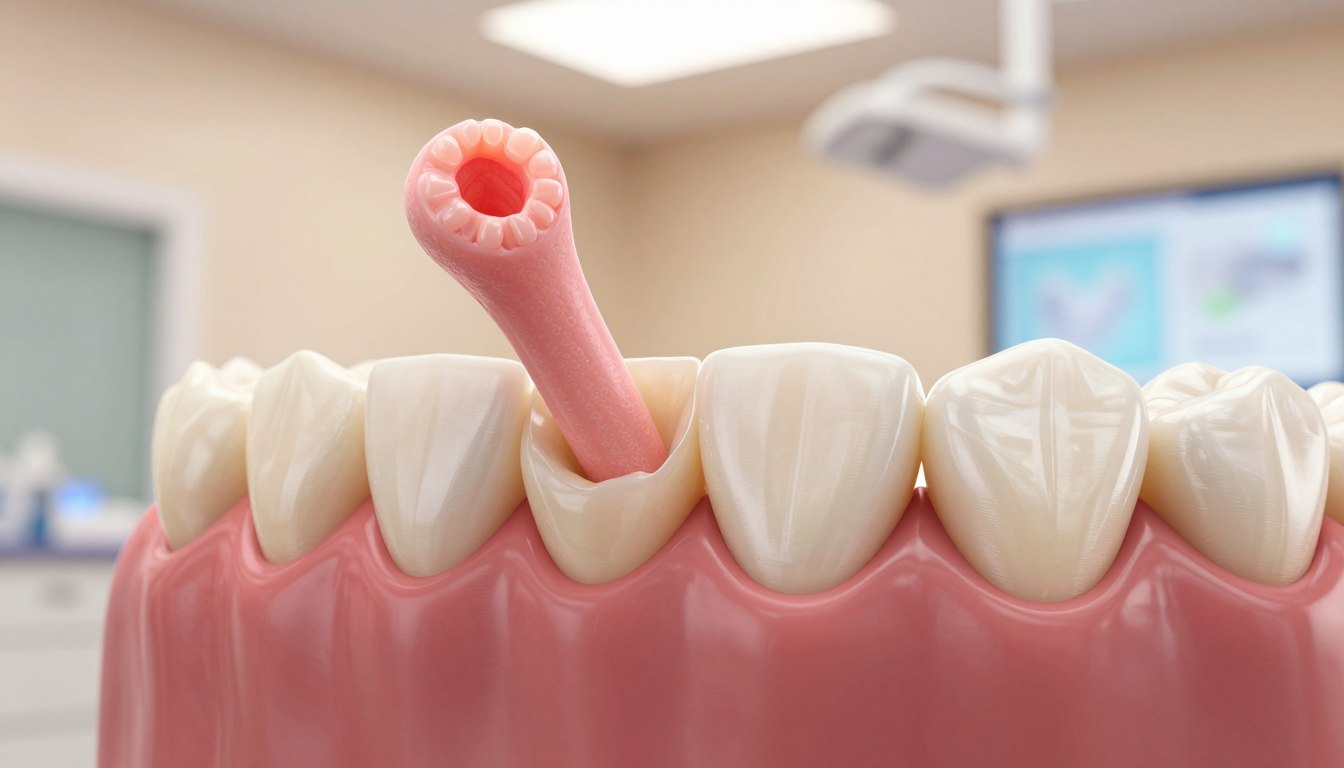
Maintaining healthy teeth is a journey that starts with proactive care. Many people in the United States prioritize their smiles, yet they often overlook the small signs of decay that hide beneath the surface. A specialized dental treatment known as a pulp cap acts as a vital shield for your oral wellness.
By addressing minor issues early, this procedure helps preserve your strong enamel and prevents more invasive work later. Modern dentistry focuses on comfort, ensuring that your path to dental health remains a positive experience. Taking these small steps today ensures you keep a bright, confident smile for years to come.
Key Takeaways
- Early intervention prevents the need for complex dental procedures.
- This treatment effectively protects the inner layers of your teeth.
- Proactive care is the foundation of long-term oral wellness.
- Modern techniques make dental visits comfortable and efficient.
- Preserving natural tooth structure supports a lifetime of confidence.
Understanding the Role of Pulp Cap in Modern Dentistry
Protecting the vital nerve tissue inside your tooth is a cornerstone of effective restorative dentistry. When a cavity reaches deep into the tooth structure, dentists use specialized techniques to ensure the long-term health of the dental pulp. This approach is essential for maintaining your natural smile and avoiding more invasive procedures.
What is a Pulp Cap?
A Pulp Cap is a clinical procedure used to cover and protect exposed or nearly exposed pulp tissue. By applying a biocompatible material, the dentist creates a protective barrier that encourages the tooth to heal itself. This preventive dentistry measure is highly effective at maintaining the vitality of the tooth nerve.
There are two primary methods used during cavity treatment:
- Direct Pulp Capping: This is performed when the pulp is slightly exposed during the removal of deep decay.
- Indirect Pulp Capping: This technique is used when the decay is very close to the pulp but has not yet reached it, allowing the dentist to seal the area and prevent further damage.
When Dentists Recommend Pulp Capping
In modern dentistry, the goal is always to preserve as much healthy tooth structure as possible. Your dentist will typically suggest this intervention when they identify tooth decay that is deep but has not yet caused irreversible damage to the nerve.
Early detection is the key to successful pulp protection. During your routine check-up, your dentist uses X-rays and clinical exams to monitor the depth of any cavities. If they determine that the decay is approaching the pulp, they will recommend a Pulp Cap to stop the progression of the infection and restore the tooth’s integrity.
Key Pulp Cap Benefits for Long-Term Oral Health
When it comes to dental health, saving your natural teeth should always be the top priority. A pulp cap serves as a vital tool in conservative dentistry, allowing your dentist to treat deep cavities while keeping the tooth intact. By choosing this path, you avoid more invasive procedures that might otherwise be necessary.
Preserving Natural Tooth Structure
The primary goal of modern care is to maintain as much of your original tooth structure as possible. When decay reaches deep into the tooth, a pulp cap acts as a protective shield. This approach ensures that the healthy parts of your tooth remain strong and functional for years to come.

Preventing the Need for Root Canal Therapy
One of the most significant advantages of this treatment is root canal prevention. By sealing the pulp chamber, the procedure creates a robust barrier against harmful bacteria. This simple step often stops tooth decay from progressing further, saving you from the complexity of a full root canal.
Reducing Sensitivity and Discomfort
Many patients worry about the pain associated with deep dental work. Fortunately, a pulp cap provides excellent tooth pain relief by insulating the sensitive nerve endings inside the tooth. This leads to a much higher level of oral comfort during and after your visit.
Immediate Relief After Treatment
Most patients notice a significant improvement in their comfort levels almost immediately after the procedure. The protective layer helps calm the nerve, which reduces the sharp sensations often caused by hot or cold foods. You can expect to return to your normal routine with much less dental sensitivity than before.
Long-Term Sensitivity Management
Beyond the initial recovery, this treatment supports long-term oral health by stabilizing the tooth. It helps manage ongoing dental sensitivity, allowing you to enjoy your favorite meals without hesitation. Investing in this care today is a proactive way to ensure your smile stays healthy and pain-free for the future.
You may also like to read about Spo Hat – Styles for Every Occasion in the United States
Maintaining Strong Enamel After Dental Procedures
Once a dental procedure is complete, the real work of maintaining your oral health begins at home. While professional care provides the foundation, your daily habits determine how well your smile recovers and thrives. Focusing on consistent care ensures that your treatment provides lasting results for years to come.

The Connection Between Pulp Health and Enamel Integrity
The health of your inner tooth structure is deeply linked to the outer layer. When you prioritize pulp protection, you create a stable environment that allows the tooth to remain resilient against external stressors. This internal balance is vital for maintaining enamel integrity over time.
If the pulp remains healthy, the tooth is better equipped to resist decay and structural fatigue. Think of the pulp as the heart of the tooth; when it is supported, the entire system functions more effectively. Protecting this core is a key step toward achieving healthy teeth that stand the test of time.
Best Practices for Post-Procedure Care
Following a treatment, your mouth may be more sensitive than usual. Adopting a gentle oral hygiene routine is essential to avoid irritation while the area heals. Use a soft-bristled toothbrush and fluoride-rich toothpaste to keep your smile clean without causing unnecessary wear.
- Brush gently twice a day to remove plaque buildup.
- Floss carefully around the treated area to prevent inflammation.
- Schedule regular check-ups to monitor your progress.
Dietary Habits for Sustained Dental Strength
What you eat plays a massive role in keeping your strong enamel intact. Acidic and sugary foods can quickly erode the surface of your teeth, especially after a recent dental procedure. By choosing nutrient-dense options, you provide your body with the minerals needed to support enamel integrity.
Focus on incorporating calcium-rich foods and plenty of water into your daily routine. These simple changes help neutralize acids and promote long-term oral health. Maintaining healthy teeth is much easier when your diet works in harmony with your hygiene habits.
| Habit Type | Recommended Action | Benefit |
|---|---|---|
| Daily Cleaning | Soft brushing | Prevents plaque |
| Hydration | Drink water | Neutralizes acid |
| Nutrition | Calcium intake | Strengthens enamel |
| Professional Care | Routine exams | Ensures pulp protection |
Conclusion
Choosing a pulp cap represents a proactive step toward preserving your natural teeth. This simple procedure acts as a shield for your dental health, keeping your smile vibrant and functional for years.
Consistent dental care remains the most effective way to avoid complex restorative work. By addressing minor decay early, you protect the inner layers of your teeth from lasting damage. This approach supports long-term dental wellness and keeps your enamel strong.
Small habits make a big difference in your daily routine. Brushing with fluoride toothpaste and scheduling regular checkups with your local dentist help maintain the results of your treatment. These actions keep your mouth healthy and reduce the risk of future pain.
Reach out to your dental provider to discuss if this treatment fits your specific needs. Taking action today ensures a brighter and healthier future for your teeth. Your commitment to quality care pays off with a confident, lasting smile.
FAQ
What exactly is a Pulp Cap, and how does it benefit my dental health?
A Pulp Cap is a specialized restorative procedure used to protect the dental pulp—the vital nerve and vascular tissue inside your tooth. In modern dentistry, this treatment acts as a protective shield when a cavity is deep, preventing bacteria from reaching the nerve. By using materials like MTA (Mineral Trioxide Aggregate) or calcium hydroxide, your dentist can stimulate the growth of a dentin bridge, which helps maintain healthy teeth and long-term enamel integrity without the need for more invasive surgery.
What is the difference between direct and indirect pulp capping?
These two pulp protection techniques are chosen based on the depth of the decay. Indirect pulp capping is performed when a thin layer of healthy dentin still remains over the pulp. Direct pulp capping is used if the pulp is slightly exposed during cavity treatment. Both methods are essential tools in preventive dentistry, designed to heal the tooth from the inside out and preserve your natural tooth structure.
Can a Pulp Cap really help me avoid root canal therapy?
Absolutely! One of the primary Pulp Cap benefits is its ability to serve as a barrier against infection. By sealing the area early and addressing minor decay before it progresses, the procedure prevents the inflammation and bacterial spread that typically necessitate root canal therapy. This conservative approach is a cornerstone of maintaining long-term dental health in the United States.
Will I experience tooth pain relief immediately after the procedure?
Yes, most patients feel immediate relief from the sharp discomfort caused by deep decay. While the tooth may be slightly tender for a day or two, the procedure is designed to provide long-term sensitivity management. By stabilizing the internal environment of the tooth, you can return to enjoying your favorite foods and drinks without the persistent tooth pain often associated with pulp exposure.
How should I care for my tooth following a Pulp Cap procedure?
Maintaining the success of your treatment requires excellent oral hygiene. The American Dental Association (ADA) recommends brushing twice a day with a fluoride toothpaste—such as Colgate Total or Crest Pro-Health—and flossing daily. This routine protects the permanent filling and the underlying restorative dentistry work, ensuring your enamel stays strong and the healing process remains undisturbed.
Are there dietary habits that help maintain enamel integrity after dental work?
To support sustained dental strength, it is best to limit highly acidic and sugary foods that can lead to enamel erosion. Incorporating calcium-rich foods and drinking plenty of water helps fortify your teeth. If you struggle with sensitivity during the recovery phase, using a specialized toothpaste like Sensodyne can provide extra comfort while your natural tooth structure strengthens.
Is the Pulp Cap procedure comfortable for the patient?
Modern dental interventions are designed with patient comfort as a priority. Dentists use localized numbing agents to ensure the cavity preparation and capping process are completely painless. Most patients find the experience no more stressful than a standard filling, but with the added peace of mind that their vital nerve tissue is being saved for a bright, confident smile.
