

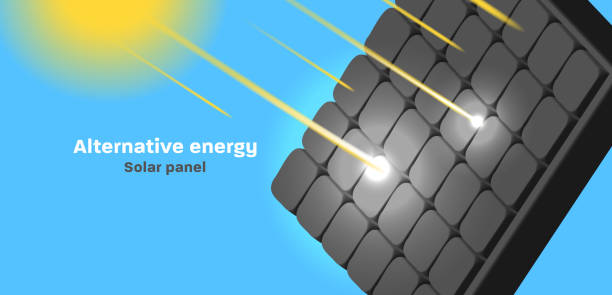
What is an Aureus Solar Panel?
Imagine if you could take the leftover peels from your fruit or the vegetables that went bad in the fridge and turn them into a battery for your house. That is exactly what the Aureus Solar Panel (also known as AuREUS) is all about!
Invented by a brilliant student named Carvey Ehren Maigue, this technology won the famous James Dyson Sustainability Award. Unlike the big, heavy blue or black panels you see on roofs, these panels look like colorful sheets of glass or plastic.
The Magic Ingredient: Upcycled Crops
The word “Aureus” actually comes from the Latin word for gold, but these panels are green in spirit!
- They are made from upcycled crop waste.
- When farmers have fruits and vegetables that get ruined by a storm or a typhoon, they can’t sell them for food.
- Instead of throwing them away, scientists extract “luminescent particles” from them to create these solar sheets.
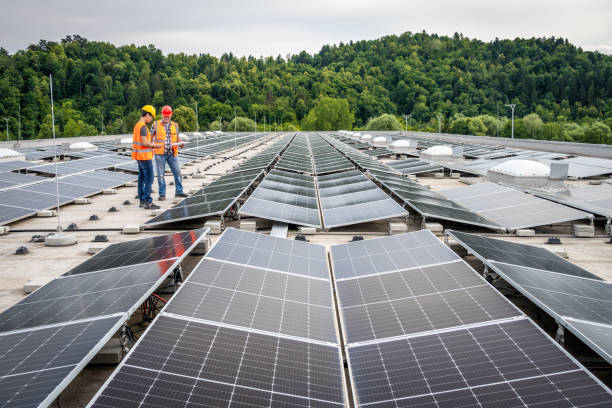
How Does it Work? (The UV Secret)
Most people think solar panels need bright, direct sunlight to work. If it’s a cloudy day in London or a rainy afternoon in Seattle, traditional panels don’t produce much power.
Aureus is different. It doesn’t look for the light you see; it looks for UV (Ultraviolet) light.
- Cloudy Day Hero: UV light passes through clouds easily. Even when the sky is gray, UV rays are still hitting the ground.
- Bouncing Light: UV rays bounce off the pavement, the walls of other buildings, and even the grass. Aureus panels catch this “stray” light and turn it into electricity.
- The Aurora Effect: The technology is inspired by the Northern Lights (Aurora Borealis). It captures high-energy particles and “slows them down” into visible light, which is then captured by small solar cells on the edges to make power.
Why is it a “Game Changer” for 2026?
In 2026, we are looking for ways to make energy more “invisible” and easier to use in cities.
Vertical Power
Traditional solar panels take up a lot of space. You need a big, flat roof or a giant field. Aureus panels can be used as windows or walls. Since they are translucent (which means you can see through them like tinted sunglasses), they can be built right into the glass of an office building or your bedroom window.
Efficiency Stats
Preliminary tests show that while traditional panels work about 15% to 22% of the time, Aureus can generate energy almost 50% of the time! This is because it doesn’t have to “stare” at the sun to get the job done.
The Full Review – The Good, The Bad, and The Green
Why People Love Aureus (The Pros)
If you were writing a review for a new gadget, you’d look at the “Pros.” For Aureus, the pros are pretty mind-blowing for a 13-year-old who cares about the planet.
- It’s a “Waste Warrior”: Instead of letting rotten fruits and vegetables rot in a landfill (which creates bad gas called methane), Aureus uses that waste to create clean energy. It’s like turning trash into treasure.
- The “Shade” Advantage: Most solar panels are like sunflowers—if they aren’t looking at the sun, they “sleep.” Aureus is like a night-vision goggles for light. It can catch UV rays that bounce off the street or even through a window in the shade.
- Style Points: Let’s be honest—traditional solar panels are kind of ugly. They are heavy, dark, and clunky. Aureus panels look like cool, colorful glass. They come in neon greens, oranges, and reds. You could literally have a house that looks like a rainbow and generates power at the same time!
- Flexible and Light: These panels aren’t made of heavy silicon and glass. They are made of a resin that is flexible. This means in the future, you might see them wrapped around curved buildings or even on the back of your laptop!
What’s the Catch? (The Cons)
Every new technology has some “Growing Pains.” Here is what scientists are still working on:
- Energy Strength: Right now, a single Aureus panel doesn’t create as much “oomph” (voltage) as a giant industrial solar panel. You need a lot of window space to power a whole house.
- The “Fruit” Supply: To make millions of these panels, you need millions of pounds of crop waste. Setting up the “Fruit-to-Panel” factory system takes time and money.
- Durability: Because they are made from organic materials (the fruit particles), scientists are still testing exactly how many years they will last before the colors fade and they stop catching UV light.
Aureus vs. Traditional Solar Panels (The Comparison)
| Feature | Traditional Solar Panels | Aureus Solar Panels |
| Main Power Source | Direct Sunlight | UV Light (Sun & Clouds) |
| Material | Silicon and Metal | Upcycled Crop Waste & Resin |
| Where it goes | Roofs or Open Fields | Windows, Walls, and Curved Surfaces |
| Works in Shade? | No | Yes! |
| Colors | Blue / Black | Neon Green, Orange, Red |
When we talk about Renewable Energy and Sustainable Tech, we usually mean things that don’t hurt the Earth. Aureus is the “Gold Standard” for this.
Instead of mining for metals deep in the ground (which can be dirty and dangerous), we are using the sun and the farm. This is called a Circular Economy. It means nothing is wasted—the sun grows the food, the waste from the food creates the panel, and the panel catches the sun to power our gadgets. It’s a perfect circle!
Cost, Science, and Your Future Home
Is it Cheap? The Cost of “Fruit Power”
When we talk about Renewable Energy, the first question parents always ask is: “Will it save us money?”
- Lower Manufacturing Costs: Because Aureus uses waste from farms (which is usually free or very cheap) and a simple resin instead of expensive silicon crystals, the cost to make them is actually quite low.
- Installation Savings: Since these panels can replace your regular windows, you are doing two jobs at once! You aren’t just buying a solar panel; you are buying a “Power-Generating Window.” This saves money on building materials.
- The Long-Term Win: Because they work on cloudy days (which happens a lot in many parts of the world), you get a more “steady” flow of electricity. This means you don’t have to rely on the expensive power grid as much.
The “Secret Sauce” Science (Luminescence)
How does a crushed-up tomato or a rotten pineapple actually make electricity? It’s not magic—it’s Luminescence.
- UV Capture: The UV rays from the sun (even through clouds) hit the organic particles from the crops inside the panel.
- Glow Mode: These particles absorb the high-energy UV light and then “glow” or re-emit that energy as visible light inside the panel.
- The Bounce: Because of the way the resin is made, that light gets trapped inside the sheet (like light in a fiber-optic cable).
- The Edge Effect: The light bounces to the very edges of the panel, where tiny, thin solar cells are waiting. These cells catch that light and turn it into the electricity that charges your phone or turns on your LED lights.
Where Can You Use Them? (Versatile Design)
In 2026, architects are getting very creative with Aureus Solar Panels. Here are some places you might see them:
- Smart Skyscrapers: Imagine a giant tower in the middle of a city. Usually, only the roof can have solar. But with Aureus, the entire glass surface of the building becomes a power plant!
- Bus Stops & Phone Booths: Since it works with reflected light, a bus stop in a narrow, shady street can still power its own lights and USB charging ports.
- Greenhouses: This is the coolest part! You can put Aureus panels on a greenhouse. They let the “good” light through for the plants to grow, but catch the “harsh” UV light to power the water pumps and fans.
Is it Ready for Your House? (The 2026 Update)
Right now, Aureus is moving from “Lab Invention” to “Real World Product.”
- Prototypes: Many schools and “Eco-Cities” are starting to use these as “demonstration windows.”
- DIY Potential: Because the material is like a thin plastic sheet, scientists are looking into a “peel-and-stick” version. One day, you might be able to buy a roll of Aureus film and stick it onto your existing windows to start making power!
Frequently Asked Questions – Your Solar Cheat Sheet
1. Does the Aureus panel replace a regular window?
Yes! That is one of its biggest “Superpowers.” Unlike regular solar panels that are solid and block the view, Aureus is translucent. In 2026, architects are using it to replace the glass in skyscrapers. This means the building can have beautiful windows that also act as a vertical power plant.
2. Do the fruits and vegetables inside the panel rot?
Nope! While the luminescent particles come from fruit and vegetable waste, scientists extract them and stabilize them inside a resin (a type of hard plastic). It’s like how a bug gets stuck in amber—the “fruit power” is locked inside so it doesn’t smell or go bad.
3. Can I use these to charge my phone at night?
Not exactly. Solar panels (even UV ones like Aureus) need light to work. However, because Aureus is so good at catching “stray” light, it can keep working much later into the evening than regular panels. For night-time power, you would still need a battery to store the energy made during the day.
4. How much do they cost compared to regular panels?
In 2026, traditional solar panels cost about PKR 28 to PKR 34 per watt. Aureus is still in the “Early Adopter” phase, so it might be a bit more expensive at first because it’s a specialty building material. However, because it uses upcycled crops (trash from farms), the price is expected to drop below regular solar once they start making millions of them!
5. Can I wear Aureus solar panels?
This is the coolest part of the future! Because the resin is thin and flexible, the inventor, Carvey Ehren Maigue, is working on Solar Fabric. One day, your backpack or even your hoodie could be made of Aureus threads that charge your phone while you walk to school!

1 Comment
When someone writes an piece of writing he/she retains the thought of a
user in his/her mind that how a user can know it.
So that’s why this paragraph is great. Thanks!