

The Birth of a Cinematic Empire More Than Just a Cinema
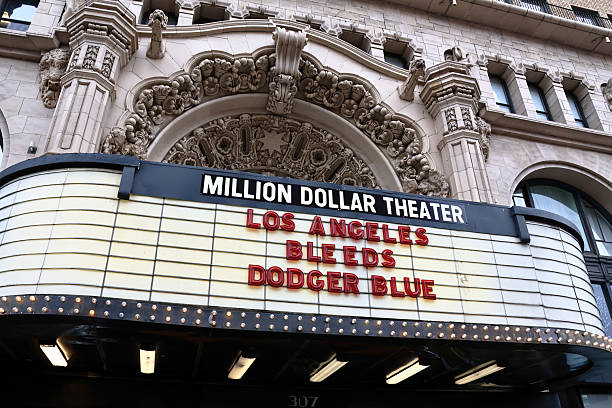
In the heart of the historic Broadway theater district in Downtown Los Angeles (DTLA), one building stands as a testament to the opulence, ambition, and architectural brilliance of the early 20th century: the Million Dollar Theater.
When it opened its doors in 1918, it wasn’t just another movie house. It was a statement of power. It was the first movie palace built by the legendary showman Sid Grauman, the man who would later create the world-famous Chinese Theater in Hollywood. For the modern traveler, the Million Dollar Theater is a time capsule, offering a glimpse into the “Golden Age” of film when going to the movies was a high-society event equivalent to the opera or the ballet.
1. The Visionary Behind the Magic: Sid Grauman
To understand the Million Dollar Theater, you must understand Sid Grauman. Before he became a household name, Grauman was a prospector and a showman who realized that the “experience” of watching a movie was just as important as the movie itself.
- A New Concept: Before this theater, movies were often shown in small, cramped “Nickelodeons.” Grauman envisioned “Movie Palaces”—vast, luxurious spaces that made every guest feel like a millionaire.
- The Name: The theater was originally named Grauman’s Theater, but the public was so stunned by its construction cost—a staggering sum for 1917—that it became known as the “Million Dollar Theater.” The name eventually became official in 1922.
- The Prologues: Grauman pioneered the idea of “live prologues”—elaborate stage shows, orchestras, and dancers that performed before the film started. This made the Million Dollar Theater the epicenter of entertainment in California.
2. Architectural Masterpiece: The Churrigueresque Style
The Million Dollar Theater is world-renowned for its exterior. Designed by master architect Albert C. Martin (who also designed LA City Hall), the building is a stunning example of the Churrigueresque style—a highly ornate, Spanish Baroque form of architecture.
- The Facade: The exterior is covered in terra cotta figures, arches, and deep-relief sculptures. If you look closely at the columns, you will see figures that represent the arts, including music and drama, along with whimsical carvings of bison and longhorn skulls, reflecting California’s frontier history.
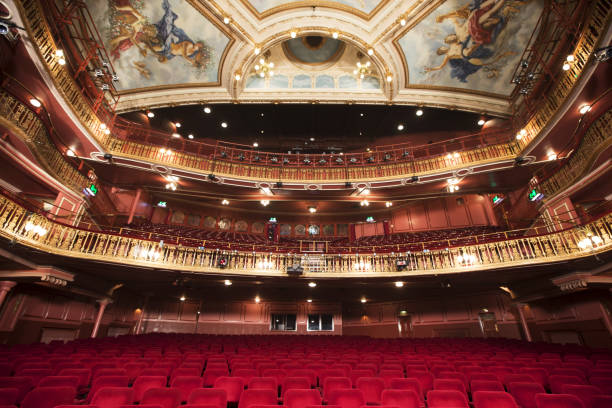
- The Interior: While the outside is Spanish, the inside (designed by William Lee Woollett) is a fantasy world. The ceiling is a massive, unsupported concrete dome, and the walls are adorned with murals depicting scenes from the fairy tales of the Brothers Grimm.
- Seating Capacity: At its peak, the theater could hold 2,345 guests, making it one of the largest and most grand venues in the United States at the time of its opening.
3. Location and Strategic Importance
For your website readers, knowing exactly where this landmark sits is crucial for their travel planning.
- Proper Address: 307 S Broadway, Los Angeles, CA 90013.
- The Neighborhood: The theater is located at the corner of 3rd Street and Broadway. It is directly across from the Bradbury Building (famous from the movie Blade Runner) and right next to the Grand Central Market.
- Why This Matters: This intersection is the “ground zero” of Los Angeles history. By visiting the Million Dollar Theater, a traveler can experience the culinary, cinematic, and architectural history of the city all within a single city block.
A Cultural Evolution – From Jazz Age Glory to Latino Cinema Mecca
The Transformation: A Hub for Spanish-Language Entertainment
By the late 1940s, the demographic landscape of Downtown Los Angeles began to shift. While many historic theaters on Broadway struggled to stay relevant, the Million Dollar Theater found a vibrant new identity. In 1949, Frank Fouce, a prominent Spanish-language theater owner, took over the lease.
The Mecca of Spanish Entertainment: For over 30 years, the theater became the most important venue for Spanish-language entertainment in the United States. It wasn’t just showing movies; it was hosting the biggest stars from Mexico City and across Latin America.
The “Variedades” Era: The theater became famous for its variedades (variety shows). Legends like Vicente Fernández, Juan Gabriel, Celia Cruz, and the iconic comedian Cantinflas performed on this very stage.
A Pioneering Legacy: The office space above the theater even served as the early headquarters for what would eventually become the Univision television network. This building is effectively the birthplace of modern Spanish-language media in America.
The Million Dollar Theater in Hollywood History
Because of its breathtaking architecture and its location directly across from the famous Bradbury Building, the Million Dollar Theater has become one of the most filmed locations in movie history.
Blade Runner (1982): Perhaps its most famous appearance. In this sci-fi classic, the exterior of the Million Dollar Theater is visible in several scenes, particularly during the rainy, neon-lit sequences featuring Harrison Ford and Daryl Hannah. The theater provides the perfect “noir” atmosphere that defined the film’s look.
The Artist (2011): The Oscar-winning silent film utilized the theater’s grand interior to recreate the atmosphere of 1920s Hollywood. Standing inside the auditorium today feels like walking directly onto the set of this film.
Seven (1995): The theater and the surrounding Broadway streetscape were used to create the gritty, nameless city in David Fincher’s masterpiece.
The Grand Central Market Connection
For the modern traveler, the Million Dollar Theater is physically and culturally linked to its neighbor: Grand Central Market.
Shared History: Opened in 1917 (one year before the theater), the market and theater grew up together. Historically, theater-goers would grab a snack at the market before a show, a tradition that continues today during special events.
Modern Integration: Today, the Million Dollar Theater is managed by the same team as Grand Central Market. This means you can often find “Dinner and a Movie” events where you can grab gourmet tacos or Thai street food from the market and take it into the theater for a special screening.
Current Status and Event Timings (2026)
Unlike a standard cinema, the Million Dollar Theater does not show movies all day, every day. It is now a Special Events Venue.
- Public Access: To see the inside, you generally need to attend a scheduled event. These include:
- Classic Film Screenings: Often hosted by groups like the LA Conservancy.
- Cinespia Events: Rare indoor screenings of cult classics.
- Live Concerts: Featuring indie bands and orchestral performances.
- Operating Hours: * Lobby/Exterior: Viewable 24/7 from the street.
- Events: Usually start at 7:00 PM or 8:00 PM on weekends.
- Tours: The LA Conservancy offers “Historic Broadway” walking tours every Saturday at 10:00 AM, which often include a detailed history of this building.
- Parking: The most convenient parking is the Grand Central Market Parking Garage at 308 S Hill Street, just a block away.
The Exterior: A “Stone Tapestry” of California History
When you stand in front of the Million Dollar Theater at 307 South Broadway, you aren’t just looking at a wall; you are looking at a story carved in terra cotta. The exterior was designed by sculptor Joseph Mora, and it is considered one of the finest examples of the Churrigueresque style in the United States.
The Symbols in the Stone
If you look closely at the upper facade, you will notice a bizarre but beautiful mix of images that represent the “meeting of worlds”:
- Bison Heads and Longhorn Skulls: Unlike traditional European cathedrals, Mora added these symbols to represent the American West. It was a tribute to the rugged frontier history of California, blended with the elegance of Spanish royalty.
- The Allegorical Figures: Nestled among the swirling patterns are statues representing the Arts. You can find figures holding musical instruments and dramatic masks, signifying the theater’s purpose as a temple for the muse.
- The Dangling Figures: One of the most famous “quirks” of the building are the figures of girls perched on high ledges. Their legs actually dangle over the edge of the carvings, looking down at the pedestrians on Broadway below.
The Interior: A Journey into “The King of the Golden River”
While the outside is Spanish Baroque, the inside takes a sharp turn into the world of classic English literature. Architect William Lee Woollett was deeply inspired by the 1841 fairy tale The King of the Golden River by John Ruskin.
The Fairy Tale Murals
As you walk through the lobby (if attending a special event), you can see murals that depict scenes from Ruskin’s story. The tale is about three brothers and their search for a golden river, and the theater uses this theme to create a sense of wonder.
- The Organ Grilles: Even the functional parts of the theater are art. The grilles that hide the massive theater pipes are decorated with characters from the book, including the “South West Wind” and the “Golden Tankard.”
- The Mythology of the Ceiling: The ceiling isn’t just a roof; it’s a massive concrete dome that was an engineering marvel in 1918. It is painted with deep reds, golds, and intricate patterns that make the room feel much larger than it actually is.
The World’s First Reinforced Concrete Girder
For your readers who love “Technical Specs,” this theater holds a world record. During its construction, there was a massive shortage of steel due to World War I.
- The Engineering Feat: To support the massive 110-foot-wide balcony without using pillars (which would block the view), the engineers created the world’s first reinforced concrete girder.
- The Stress Test: The city was so nervous about this new technology that they refused to give a permit until the theater owners proved it was safe. They had to pile thousands of pounds of weight on the balcony to prove it wouldn’t collapse. It passed with flying colors and still stands perfectly today.
